
Hulunbuir City
Overview of Hulunbuir City
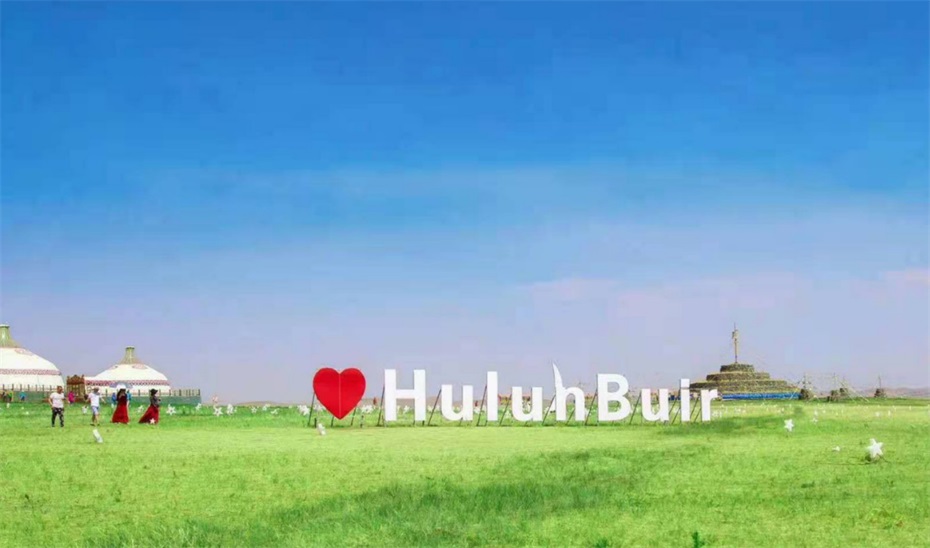
Hulunbuir City is located in the northeast of Inner Mongolia Autonomous Region, at the border of China, Russia, and Mongolia. It is the largest prefecture level city in China in terms of area. The total area of the city is 253000 square kilometers (equivalent to the sum of the areas of Shandong Province and Jiangsu Province), with jurisdiction over 2 districts (Hailar District, Zhalainuoer District), 5 cities (Manzhouli City, Yakeshi City, Zhalantun City, Erguna City, Genhe City), 7 banners (Arong Banner, Molidawa Daur Autonomous Banner, Oroqen Autonomous Banner, Ewenki Autonomous Banner, Chenbaerhu Banner, Xinbaerhu Left Banner, Xinbaerhu Right Banner), and a permanent population of 2.2404 million people (2022 data). In 2022, the total regional GDP of the city reached 153.6 billion yuan.
Hulunbuir is a national key ecological functional zone and an excellent tourist city in China. It is known as the "Northern Jade" and "Green Pure Land", and is the location of one of the four major grasslands in the world - Hulunbuir Grassland. It is also an important production and processing base for green agricultural and livestock products in China and an important hub for border opening.
2¡¢ Geographical features
1. Location advantage
Located at 47 ¡ã 05 ¡ä -53 ¡ã 20 ¡ä N latitude and 115 ¡ã 31 ¡ä -126 ¡ã 04 ¡ä E longitude
It borders Heilongjiang Province to the east, Xing'an League to the south, and Russia and Mongolia to the west and north
The total length of the border is 1733 kilometers (1051 kilometers for the China Russia border and 682 kilometers for the China Mongolia border)
An important node city in the Northeast Asia Economic Circle
2. Terrain and landforms
The western part is the Hulunbuir grassland, and the eastern part is the Daxing'anling Mountains
Grassland accounts for 50% of the total area, forest accounts for 35%, and wetland accounts for 10%
Highest Peak: Dabai Mountain (altitude 1520 meters)
Main rivers: Erguna River, Krulun River, Hailar River
3. Climate characteristics
Cold temperate continental monsoon climate
Annual average temperature -5~2 ¡æ
Annual precipitation of 250-500 millimeters
Winter is cold and long, summer is cool and short
3¡¢ Historical evolution
1. Organizational history
Qing Dynasty: Deputy Commander's Office of Hulunbuir
In 1945, the Hulunbuir Autonomous Government was established
In 2001, the alliance was abolished and a city was established
In 2012, the Manzhouli National Key Development and Opening up Pilot Zone was approved
2. Major historical events
The historical stage of Genghis Khan's unification of various Mongolian tribes
Construction of the Middle East Railway (1903)
Contemporary: An Important Component of National Ecological Security Barrier
4¡¢ Cultural characteristics
1. Cultural traits
Grassland Culture: Representative of Mongolian Nomadic Culture
Forest Culture: Oroqen and Ewenki Hunting Culture
Border Culture: Multicultural Integration of China, Russia, and Mongolia
Ice and Snow Culture: China's Cold Pole (Genhe City)
2. Intangible Cultural Heritage

Daur Rurigele Dance (National Intangible Cultural Heritage)
The production techniques of birch bark by the Oroqen ethnic group (national intangible cultural heritage)
Balhu Mongolian Costumes (National Intangible Cultural Heritage)
5¡¢ Tourist destinations
1. Natural wonders
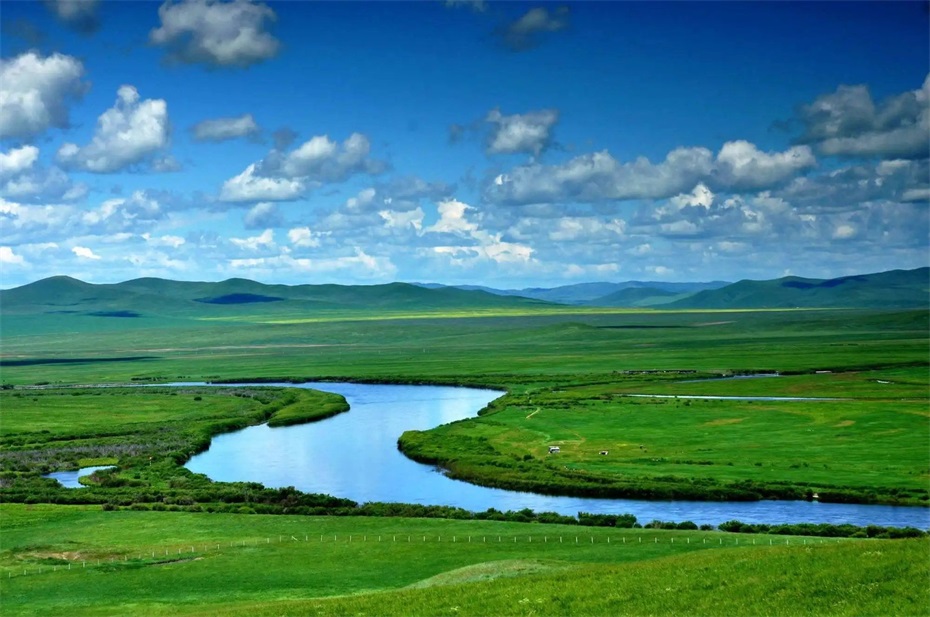
Erguna Wetland
Moridaga National Forest Park
Alshan National Forest Park
2. Border customs
Manzhouli Guomen Scenic Area
Shiwei Russian Ethnic Township
Heishantou Ancient City Ruins
Scenery on the right bank of the Erguna River
3. Featured Experience
Aoluguya appointed the Deer Tribe
Baihua Forest Scenic Area
Hulun Lake (Dalai Lake)
China Cold Extreme Village (Genhe)
6¡¢ Featured cuisine
1. Traditional delicacies
Roasted whole lamb
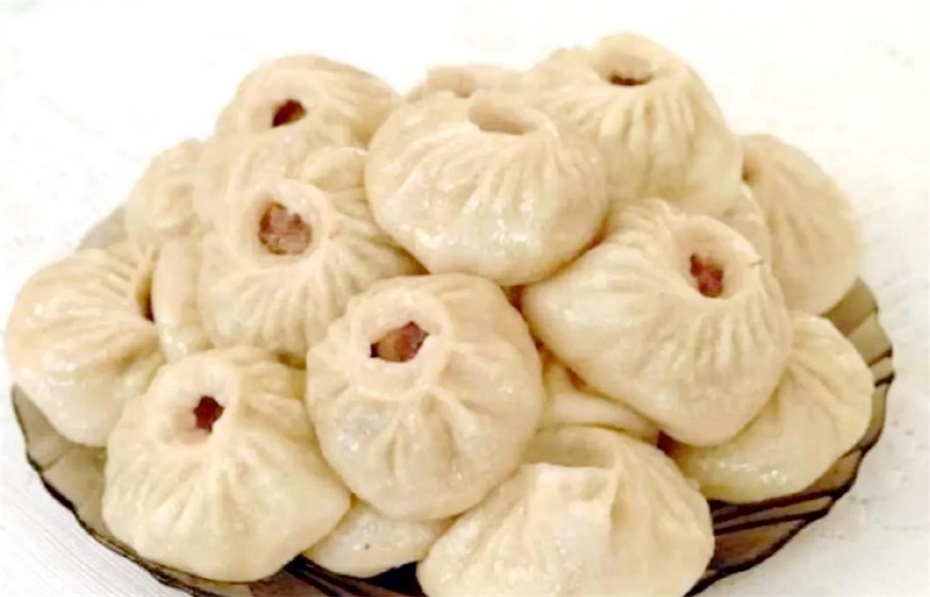
Buryat buns
Stewed pork ribs with willow artemisia sprouts
2. Featured snacks
Leba (Russian bread)
Blueberry Sauce
Grassland white mushroom
Dried Beef
3. Specialty drinks
Hulunbuir Milk
Grassland lamb
Daxing'anling Blueberries
Birch Juice Beverage
7¡¢ Economic development
1. Leading industries
Ecological agriculture and animal husbandry: dairy products, beef and mutton processing
Ecotourism: Grassland, Forest, Border Tourism
Port economy: Manzhouli, Heishan first-class ports
Green energy: wind power, photovoltaic industry
2. Transportation system
Railway: Binzhou Railway, Yalin Railway
Highways: Suiman Expressway, 331 National Highway
Aviation: Hulunbuir Hailar International Airport
Water transportation: Erguna River shipping
8¡¢ City Business Card
1. Honorary titles
China excellent tourism city
National Forest City
National Demonstration City for Ethnic Unity and Progress
International Important Wetland List (Erguna Wetland)
2. Urban Spirit
Mutual assistance and green development
Northern Jade, Green Pure Land
From a "grassland pearl" to an "ecological model", Hulunbuir is steadily moving forward on the path of high-quality development guided by ecological priority and green development.
simliy